
Fischer Random Chess Lessons for Beginners – Your Practical Guide to Chess960 Mastery
What Is Fischer Random Chess?
Fischer Random chess, also known as Chess960, reshuffles the back‑rank pieces while preserving the core rules of standard chess. The randomization creates 960 possible starting positions, which eliminates the reliance on memorized opening theory and forces players to think creatively from move one.
Because the pieces start in unfamiliar configurations, both beginners and experienced players must develop a solid understanding of piece coordination, king safety, and central control. This focus on fundamental skills makes Fischer Random an excellent training ground for anyone looking to improve their overall chess intuition.
Why Fischer Random Chess Lessons for Beginners Beat Traditional Training
Traditional chess instruction often leans heavily on rote memorization of opening lines, which can overwhelm newcomers. Fischer Random chess lessons for beginners, on the other hand, prioritize patterns and principles over specific move orders, allowing learners to grasp concepts that are transferable across all positions.
By confronting countless unique openings, beginners quickly learn to evaluate positions on their own merit. This builds confidence and reduces the intimidation factor that many new players feel when faced with the massive body of opening theory in classical chess.
Core Features of Fischer Random Chess Lessons for Beginners
Effective lessons are built around several key features that address the unique demands of Chess960. Below is a quick comparison that shows how these features differ from a typical classical‑chess curriculum.
| Feature | Fischer Random Lessons | Traditional Chess Lessons |
|---|---|---|
| Opening Focus | Principle‑based, no memorization | Extensive opening theory |
| Lesson Length | Short, activity‑driven sessions | Longer lectures on theory |
| Assessment Method | Practical puzzles from random positions | Standard opening repertoire tests |
These features ensure that beginners receive a balanced mix of strategic instruction, hands‑on practice, and immediate feedback. The emphasis on real‑time problem solving mirrors the unpredictable nature of Chess960 games.
How a Typical Fischer Random Chess Lesson Is Structured
Each lesson follows a consistent workflow that helps learners stay focused and progress steadily. The structure is designed to be repeatable, so students know exactly what to expect.
- Warm‑up Exercise: Quick tactical puzzles taken from random Chess960 positions.
- Concept Introduction: A short video or slide deck explaining a core principle such as king safety or piece activity.
- Guided Play: Instructor‑led analysis of a live game, highlighting how the principle applies.
- Independent Practice: Students play a series of online games with the new concept in mind.
- Review & Feedback: Group discussion of common mistakes and personalized tips.
By the end of the session, learners have experienced the concept in theory, practice, and reflection, which reinforces retention and encourages self‑directed improvement.
Benefits of Learning Fischer Random Early
Starting with Fischer Random chess offers several long‑term advantages that go beyond the novelty of the format. These benefits align with the broader goals of any aspiring chess player.
- Enhanced pattern recognition across a wider range of positions.
- Stronger ability to evaluate material and structure without relying on memorized lines.
- Improved creativity and flexibility during the opening phase.
- Reduced risk of burnout caused by overwhelming opening theory.
All of these outcomes translate into a more robust and adaptable playing style, useful both in Chess960 and in traditional chess competitions.
Pricing and Value for Fischer Random Chess Lessons
When budgeting for chess education, it’s important to compare cost against the expected return in skill development. Fischer Random lessons typically offer competitive pricing because they require fewer proprietary resources than deep opening databases.
Many platforms provide tiered pricing, ranging from free introductory modules to premium subscriptions that include one‑on‑one coaching. While exact figures vary, most beginners can start a solid program for under $30 per month, gaining access to video lessons, practice tools, and community support.
Setting Up Your Learning Environment for Fischer Random
A comfortable and distraction‑free environment helps maximize the effectiveness of each lesson. Here are the essential elements you’ll need.
- A stable internet connection for streaming video content and playing online games.
- A computer or tablet with a reliable chess interface (such as Lichess or Chess.com) that supports Chess960.
- Basic note‑taking tools—digital or paper—to record key principles and personal observations.
- A quiet space where you can focus for at least 30 minutes per session.
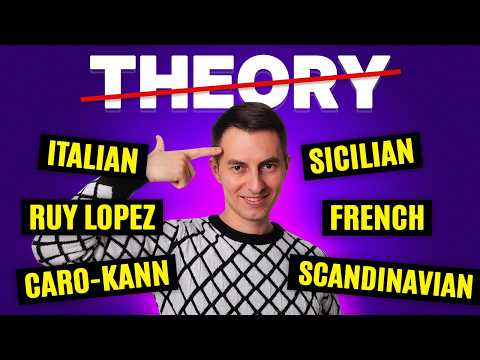
Once set up, you’ll be ready to dive into the video tutorial “6 Simple Rules to Learn ANY Chess Opening Easily [WITHOUT Theory]”, which blends perfectly with Fischer Random lesson methodology.
Common Obstacles in Fischer Random Chess Lessons and How to Overcome Them
Even well‑designed lessons can present challenges for beginners. Anticipating these hurdles makes the learning journey smoother.
- Feeling lost in unfamiliar positions: Focus on universal principles like king safety rather than specific piece placements.
- Difficulty visualizing tactics: Use software that highlights possible checks, captures, and threats automatically.
- Over‑reliance on memorization: Regularly practice with completely new starting setups to reinforce conceptual understanding.
By addressing each obstacle directly, learners maintain momentum and avoid frustration, keeping the experience rewarding.
Choosing the Right Fischer Random Chess Course – What to Look For
Selecting a course that matches your goals and budget is a crucial decision. Consider the following factors before committing.
- Curriculum Depth: Does the program cover fundamentals, intermediate tactics, and endgame ideas within the Chess960 framework?
- Instructor Credentials: Look for coaches with proven tournament experience or recognized teaching certifications.
- Community Access: A supportive forum or Discord server can provide peer feedback and motivation.
- Trial Options: Free sample lessons let you gauge teaching style and platform usability.
For a comprehensive, beginner‑friendly experience, the CH960 — Chess960 course offers a solid blend of video instruction, interactive practice, and ongoing support.
Deja una respuesta